
Insights &
Resources
Deep dives into marketing, systems, and software for home services contractors.
Your Google Ads Aren't Broken. Your Brand Awareness Is.
Most contractors assume their Google Ads are broken when leads slow down. But the real issue is often brand awareness — homeowners don't know your company before they search.
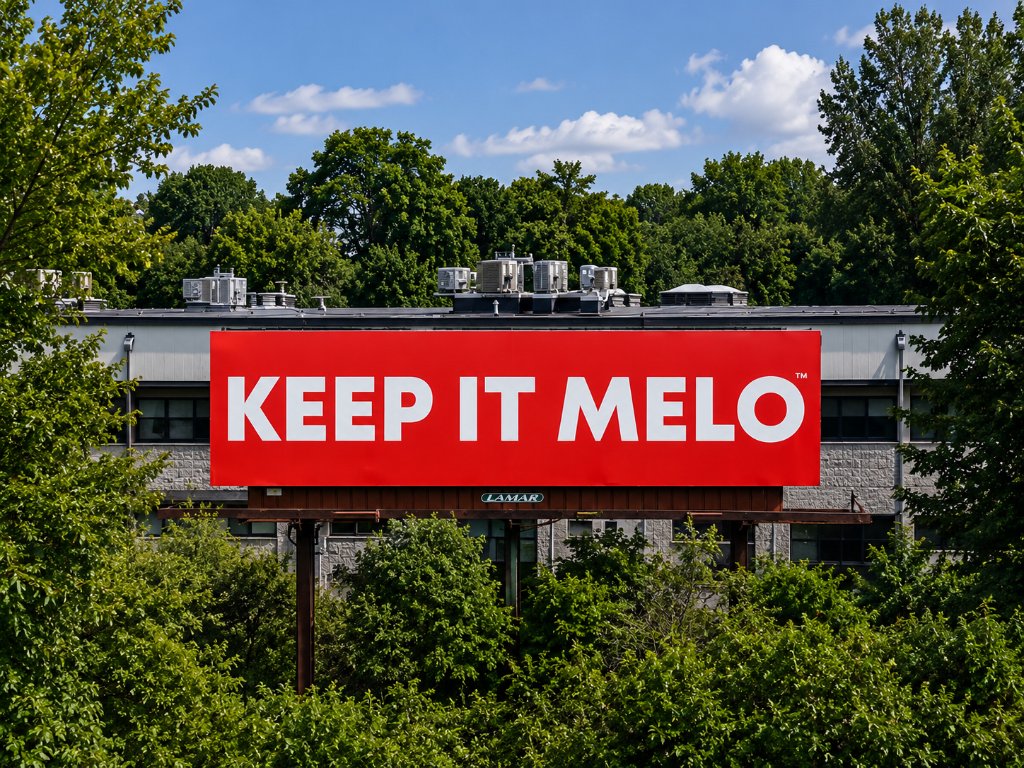

Billboard, Radio, and TV: How Elite Roofers Use Traditional Media to Dominate Local Markets
In today's marketing landscape, roofing companies are often told that digital advertising is the only path to growth. Yet many of the most successful roofing companies in the country continue to invest heavily in traditional media channels, and for good reason.

Why Great Roofing Companies Think Like Media Companies
A roofing company and a media company sell completely different things. The best roofing companies don't act like it.

How Successful Roofing Companies Dominate Their Local Market
Three roofing companies serve the same zip code. One gets found first, every time.

AI Is Changing Roofing Marketing Faster Than You Think
Every roofing company's competitors are already using AI. Most just don't know it yet.

The Biggest CRM Mistakes Roofing Contractors Make
A new CRM. Same missed follow-ups. Nothing changed. Here is why the software is never the missing piece, and what a real implementation actually takes.

Why Customer Experience Is the New Competitive Advantage
Two roofing companies can install the same roof and leave behind two completely different homeowners. Here is why experience, communication, and follow-up drive more referrals than the roof itself.

How Roofing Companies Build a 12-Month Pipeline
Storm season fills the pipeline and everything after it empties out. Here's how roofing companies build demand channels that keep leads flowing all twelve months, so revenue stops rising and falling with the weather.

Why Marketing Alone Can't Save a Broken Sales Process
Double the leads, same close rate, nothing changes. That's what happens when a roofing company pours more budget into marketing without checking whether the sales process behind it can actually convert what comes in.

The Roofing Company's Guide to Predictable Revenue
Some roofing companies know their revenue three months before the quarter ends. Most don't. The difference comes down to whether a company tracks its own pipeline consistently enough to forecast against it, or starts every month from a blank page with no history to lean on.

Why Every Roofing Company Needs a Revenue Operating System
Marketing hits its number, sales hits its number, production hits its number, the company still loses money. Without a revenue operating system, roofing growth becomes three departments optimizing for themselves instead of one company optimizing for profit.

The Hidden Cost of Slow Lead Response in Roofing
Two minutes is often the difference between a booked estimate and a lost one. Most roofing leads get contacted in hours, not minutes, and every hour is a window for a competitor to reach the same homeowner first.

Why Most Roofing Sales Teams Never Reach Their Potential
Five reps, same leads, same script, wildly different results. Most roofing sales teams operate without any documented process, and the gap between top and bottom performer stays wide indefinitely.

What Happens When Your Revenue Outgrows Your Systems
Somewhere between $3 million and $8 million, most roofing companies hit the same wall. Operations built for one revenue level quietly stop working at the next, and revenue climbing the whole time makes the gap harder to see.

How Roofing Companies Create Self-Sustaining Growth
Growth built entirely on new campaigns each quarter isn't growth, it's a treadmill. Companies that break out of it aren't spending more, they're building systems that make this year's customers responsible for next year's revenue.

Your Roofing Company Doesn't Need More Software
Most roofing companies own more software today than five years ago, yet office managers still spend hours manually moving data between systems. The problem isn't a software shortage, it's a system that was never built to connect.

The Future of Roofing Marketing Is Brand Demand
Most roofing marketing dollars only capture demand that already exists, they don't create any. If cost per lead keeps rising, the problem probably isn't your campaigns, it's that homeowners don't recognize your name.

Why Roofing Companies Should Fear Rising CAC
Customer acquisition cost can rise 34% over three years without anyone noticing, as long as revenue keeps climbing. A company that never tracks CAC by channel has no early warning system for the erosion.

What Separates Market Leaders From Commodity Roofers
Ten roofing websites in the same city nearly all say the exact same three things. Licensed, insured, and free estimates aren't a position, they're baseline requirements, and repeating them tells a homeowner nothing.

How Roofing Companies Lose Millions in Pipeline Leakage
340 leads, four months untouched, over a million dollars in stalled opportunity nobody was tracking. Pipeline leakage rarely happens in one obvious place, it happens across small unmonitored gaps that compound.

The Most Undervalued Asset in Your Roofing Business
Roofing companies complete hundreds of jobs a year and spend almost nothing marketing to the customers they already served. A past customer is worth considerably more than the value of a single completed roof.

Why Scaling Marketing Without Systems Backfires
Double the ad budget and lead volume doubles right on schedule, but the backlog shows up six weeks later. No amount of ad optimization can fix a bottleneck sitting entirely outside the ad account.

Why Omnichannel Roofing Brands Win Long Term
Two roofing companies can spend the exact same budget and land on completely different costs per lead a year later. Omnichannel marketing works because channels reinforce each other rather than operating in isolation.

Roofing Companies Are Measuring the Wrong KPIs
Leads climbing, impressions climbing, net profit hasn't moved an inch. A company can grow both metrics every month while actual revenue quietly deteriorates underneath the surface.

The Contractor Marketing Hamster Wheel
Buy leads, grow steadily, cut the budget one slow month, and the growth disappears just as fast. A company can spend the same amount every month for five years and still own nothing more than a rented list of leads.

Why Referral Revenue Is More Valuable Than Paid Leads
Referral leads can close at triple the rate of paid ones through the exact same sales process, and cost almost nothing to generate. A homeowner who hears about a company from a neighbor already trusts it before the first call.

The Difference Between Marketing and Market Position
Two roofing companies can run the same ad budget and land completely different margins. The difference isn't marketing execution, it's market position, and it never shows up in an ad account report.

What Revenue Audits Reveal About Roofing Companies
A rising cost per lead sends most owners straight to the ad account, but that's rarely where the real problem lives. The biggest leaks usually hide in the parts of the business nobody thinks to look at.

The Most Expensive Mistake Growing Roofing Companies Make
Revenue can double while profit barely moves, and most owners don't find out until year-end. The most expensive mistake is chasing revenue without protecting the margin underneath it.

Why Your Roofing Company Is Too Dependent on Google
Google decides how much of your pipeline survives next month, and most roofing companies never question that. Dependence on a single channel always feels efficient right up until it changes the rules.

What Happens When a Roofing Company Becomes the Local Default
One roofing company gets mentioned first when a neighbor asks for a recommendation, and it's rarely the cheapest bid. Becoming the local default is accumulated familiarity built deliberately over time.

The Roofing CRM Problem Nobody Talks About
A CRM can run for two years without anyone asking if it's actually working. Most contractors never get past the setup wizard, and close rate stays flat the entire time.

The Problem With Most Roofing Marketing Agencies
Four agencies in three years, same flat revenue every time. The gap is rarely talent or effort, it's what each agency gets measured on and held accountable for.

Roofing Companies Are Overspending on Google Ads
A single roofing lead often costs $228 to $350 before it even gets a callback. The real problem usually isn't the ad spend, it's everything that happens after the click.

The $10M Roofing Company Playbook
A $3 million roofing company and a $10 million one often run the exact same ads. The gap between them isn't talent or marketing spend, it's operations, and the owner becoming the bottleneck is what caps growth.

Why Most Roofing Companies Will Never Build a Real Brand
Forty different roofing companies share the same blue and white logo. Most roofing branding stops at a logo and a truck wrap, but a real brand answers the one question every homeowner is silently asking: why you.

Roofing Companies Don't Have Marketing Problems. They Have Conversion Problems
Lead count climbs. Revenue doesn't move. That's not a marketing problem, it's a follow-up problem. Here's where roofing companies actually lose revenue and how to fix it.

The Best Contractors Don't Fear High Commissions: They Build Systems That Make Them Possible
Large commission checks aren't a problem. They're proof your business is working. The best contractors build systems that make high performance and high rewards possible.

Why Your Roofing Company Feels Busy But Isn't More Profitable
Your roofing company can scale revenue without scaling profit. More projects and more overhead don't mean stronger margins — the real problem is usually the systems behind your business.

The Real Reason Your Marketing ROI Keeps Dropping
Your roofing marketing budget keeps rising while ROI keeps dropping. The real problem usually isn't your ad spend — it's the economics behind how you acquire customers.

How Private Equity Roofing Portfolios Can Add $2M in Revenue with One Marketing System
Private equity firms excel at acquisitions, but fragmented marketing systems across portfolio companies create operational drag that limits EBITDA. One unified revenue system can unlock millions in unrealized value.

Why Lead Buying Is Killing Roofing Profit Margins
Lead-buying platforms promise growth but deliver dependency. As shared lead costs rise and close rates fall, roofing companies are discovering that owned demand is the only path to sustainable profit margins.

Better Roofing Marketing ROI Starts With Better Economics
Most roofing companies think growth comes from generating more leads. But declining ROI and shrinking margins mean the real problem is economic — and more leads can actually make it worse.

Why Operational Chaos Is Costing Roofing Companies Millions
Many roofing companies grow until growth itself becomes the problem. Running on instinct instead of systems creates hidden costs that limit scalability, reduce profitability, and keep leadership in firefighting mode.

The Contractor Scale Audit: What $5,000 Can Reveal About Your $20M Ceiling
Most contractors don't have a lead problem — they have a systems problem. Discover how a Scale Audit uncovers the hidden bottlenecks, revenue leaks, and operational inefficiencies preventing your business from reaching its full potential.

Why Most Roofing Companies Waste $200K+ on Marketing Every Year
Most roofing companies spending six figures on marketing are trapped in an endless cycle of lead buying and paid acquisition. Learn the structural mistakes destroying roofing marketing ROI.

The $5M+ Contractor's CRM Problem: Why Revenue Leaks Happen After the Lead Comes In
Most $5M+ roofing companies don't have a lead problem — they have a conversion infrastructure problem. Learn how advanced CRM systems reduce lead leakage and improve close rates.

The Complete Guide to Home Services Marketing in 2026
Everything you need to know about marketing your home services business in the modern era. From digital transformation to customer expectations.

Why More Leads Isn't the Answer (And What Actually Works)
Most contractors think they need more leads. They're wrong. Here's what you actually need to focus on to scale your home services business.
Root Roundtable Webinar Series
Exclusive live roundtables with top home services contractors — real conversations about what's working in marketing, systems, and scaling your business.
Join the Waitlist →The Root Podcast
We're launching our own podcast and appearing on top home services shows across the industry. Stay in the loop on guest spots and episode drops.
Get Notified →Ready to build a revenue system for your contracting business?
Let's have an honest conversation about your marketing, systems, and software — and what it would take to make them all work together.
No obligation. No contracts. Just a clear plan. · rootagency.co